
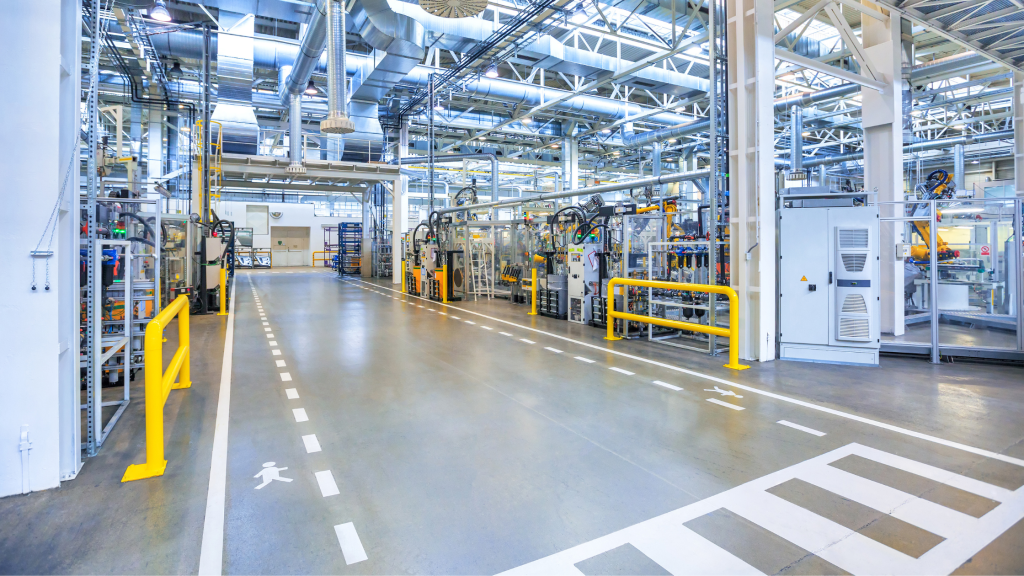
Automobile and engineering plants operate under extreme industrial conditions every single day. Heavy machinery, forklift movement, chemical spills, oil exposure, welding operations, vibration, and continuous production cycles place enormous pressure on industrial flooring systems. A standard concrete floor simply cannot withstand these conditions for long without deterioration.
That is why flooring has become one of the most important infrastructure components inside modern manufacturing facilities. The right flooring system improves operational safety, reduces maintenance costs, increases durability, and supports uninterrupted production.
According to OSHA, slips, trips, and falls continue to remain one of the leading causes of workplace injuries in industrial environments. At the same time, industrial facilities are under constant pressure to improve operational efficiency while reducing downtime and maintenance expenses.
For automobile and engineering plants, flooring must be engineered for performance rather than appearance alone.
At Chemsol Polymer Industries Pvt. Ltd., industrial flooring systems are designed specifically for high-performance manufacturing environments where durability, chemical resistance, and long-term reliability are essential.
Why Flooring Specifications Matter in Industrial Plants
Many industrial facilities focus heavily on machinery, automation, and production systems but overlook flooring during planning and upgrades. Poor flooring specifications often result in:
- Cracking and surface failure
- Unsafe slippery conditions
- Dust generation
- Chemical penetration
- Frequent maintenance shutdowns
- Forklift surface damage
- Reduced operational efficiency
Industrial flooring must perform under constant stress while maintaining structural integrity and safety.
According to Stonhard Industrial Flooring Systems, manufacturing plants require flooring systems capable of resisting abrasion, chemical exposure, impact, and continuous industrial traffic.
1. High Abrasion Resistance
Automobile and engineering plants experience continuous surface wear from:
- Forklifts
- Material movement
- Rolling loads
- Dragging equipment
- Metal parts
- Heavy foot traffic
Without abrasion-resistant flooring, concrete surfaces begin deteriorating rapidly. Dusting, uneven surfaces, and visible wear become common issues that affect both operations and safety.
High abrasion resistance helps industrial facilities:
- Extend floor lifespan
- Reduce surface wear
- Minimize maintenance
- Improve movement efficiency
- Maintain operational consistency
Industrial epoxy and polyurethane flooring systems are specifically developed to withstand aggressive industrial traffic conditions. These systems protect the concrete substrate from continuous wear while maintaining long-term performance.
For automobile manufacturing plants with constant forklift movement, abrasion-resistant flooring becomes a critical requirement rather than an optional upgrade.
2. Chemical and Oil Resistance
Engineering and automobile facilities regularly expose floors to:
- Hydraulic oils
- Lubricants
- Solvents
- Battery acids
- Coolants
- Cleaning chemicals
- Fuel spills
If flooring systems are not chemically resistant, these substances penetrate into the concrete surface and weaken the structure over time. This leads to staining, cracking, surface erosion, and contamination risks.
Chemical-resistant industrial flooring systems create a protective barrier that prevents chemical absorption and surface degradation.
According to Industrial Floor Coating Experts, industrial facilities handling chemicals and oils require specialized coating systems designed for long-term chemical exposure.
Chemical-resistant flooring is especially important in:
- CNC machining zones
- Automotive workshops
- Engine assembly areas
- Maintenance sections
- Battery handling units
- Heavy engineering facilities
At Chemsol Polymer’s Automobile & Engineering Flooring Solutions, flooring systems are designed specifically to handle industrial oil exposure, chemical contact, and demanding manufacturing operations.
3. Anti-Skid Surface Protection
Industrial environments often involve wet surfaces, oil leakage, coolant spills, and washdown operations. These conditions create major workplace safety risks if flooring lacks proper anti-skid properties.
Slip-resistant flooring specifications are essential for:
- Worker safety
- Forklift traction
- Wet processing zones
- Loading bays
- Ramps
- Maintenance pathways
Anti-skid flooring systems use textured finishes and specialized aggregates to improve surface grip under challenging industrial conditions.
According to Factory Safety Flooring Guidelines, slip-resistant industrial flooring significantly reduces workplace accident risks in manufacturing facilities.
For automobile and engineering plants operating around heavy machinery, anti-skid flooring directly contributes to safer day-to-day operations.
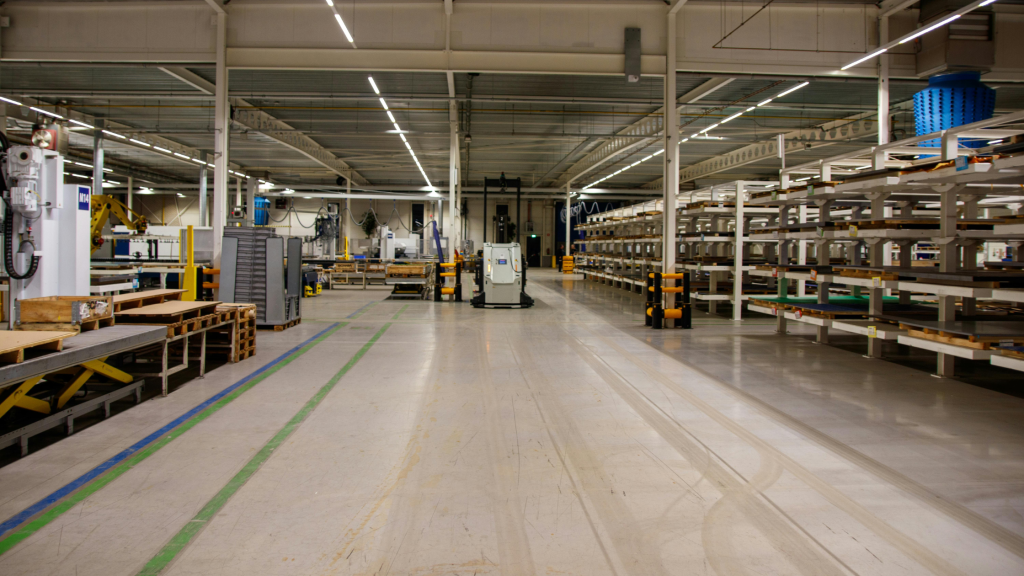
4. Heavy Load and Impact Resistance
Industrial facilities commonly use:
- Hydraulic presses
- CNC equipment
- Tooling machinery
- Storage systems
- Heavy assembly units
- Material handling vehicles
These operations place tremendous impact stress and concentrated loads on industrial floors.
Weak flooring systems often crack under repetitive impact or fail under heavy machinery weight.
Heavy-duty industrial flooring should include:
- High compressive strength
- Impact resistance
- Load-bearing capability
- Strong substrate bonding
Polyurethane concrete and industrial epoxy systems are commonly selected for heavy engineering environments because they perform well under continuous mechanical stress.
Proper impact-resistant flooring reduces structural damage while improving long-term operational reliability.
5. Seamless and Dust-Free Finish
Concrete dust is a major issue inside automobile and engineering plants.
Dust particles can:
- Damage machinery
- Affect precision manufacturing
- Increase maintenance requirements
- Contaminate production areas
- Reduce indoor air quality
Seamless industrial flooring systems eliminate joints and weak points where dirt, dust, and contaminants accumulate.
Benefits of seamless flooring include:
- Easier cleaning
- Better hygiene
- Lower maintenance
- Reduced contamination
- Improved durability
Epoxy and polyurethane flooring systems create smooth, non-porous surfaces that help manufacturing facilities maintain cleaner operations.
This becomes especially important in:
- Precision engineering units
- Automotive assembly plants
- Electronics manufacturing
- Controlled production environments
Dust-free flooring systems also contribute to improved equipment performance and lower maintenance costs over time.
6. Thermal Shock Resistance
Automobile and engineering plants often experience sudden temperature fluctuations caused by:
- Hot machinery
- Steam cleaning
- Heat-generating processes
- Hot water washdowns
- Continuous production cycles
Traditional flooring systems can crack or delaminate when exposed to rapid temperature changes.
Thermal shock-resistant flooring systems are specifically engineered to tolerate these conditions without structural failure.
Polyurethane concrete flooring performs particularly well in environments exposed to temperature stress because it handles expansion and contraction more effectively than conventional coatings.
Thermal-resistant flooring becomes essential in:
- Foundries
- Fabrication units
- Heat-treatment facilities
- Automotive paint shops
- Heavy manufacturing zones
Facilities operating continuously across multiple shifts benefit significantly from flooring systems designed for thermal stability.
7. Proper Surface Preparation Compatibility
Even high-quality flooring systems fail when surface preparation is poor.
Many industrial flooring failures happen because of:
- Weak adhesion
- Surface contamination
- Moisture problems
- Improper profiling
- Untreated cracks
Proper surface preparation is one of the most important factors affecting flooring durability.
According to Chemsol Polymer’s Surface Preparation Guide, successful industrial flooring installation depends heavily on scientific substrate preparation methods such as:
- Mechanical grinding
- Shot blasting
- Moisture testing
- Crack repair
- Surface cleaning
- Profile preparation
Without proper preparation, flooring systems may experience bubbling, peeling, cracking, or premature failure.
Professional industrial flooring installation should always begin with a detailed substrate assessment before coating application starts.
8. Long-Term Maintainability and Lifecycle Performance
Industrial plants cannot afford repeated flooring repairs and operational shutdowns.
The right flooring system should focus on long-term performance rather than only short-term installation costs.
A high-performance industrial flooring system should provide:
- Extended operational lifespan
- Minimal downtime
- Easier maintenance
- Reduced repair frequency
- Consistent surface reliability
Lifecycle-focused flooring solutions help facilities reduce maintenance expenses while improving operational efficiency.
At Chemsol Polymer Industries Pvt. Ltd., industrial flooring projects involve detailed site inspections, surface analysis, system selection, scientific installation, and long-term support to ensure reliable industrial performance.
Choosing the Right Flooring System for Industrial Facilities
Different areas inside automobile and engineering plants require different flooring capabilities.
Heavy machinery zones require impact resistance. Forklift aisles demand abrasion resistance. Chemical handling areas need chemical protection. Wet processing sections require anti-skid performance.
That is why industrial flooring should never be treated as a standard construction element.
It should be engineered based on:
- Operational load
- Traffic intensity
- Chemical exposure
- Thermal conditions
- Safety requirements
- Maintenance expectations
Selecting the wrong flooring specification often results in expensive repairs, production downtime, and long-term operational inefficiencies.
Why Industrial Facilities Choose Chemsol Polymer
Chemsol Polymer Industries Pvt. Ltd. specializes in industrial flooring systems for demanding environments such as:
- Automobile manufacturing plants
- Engineering units
- Warehouses
- Production facilities
- Logistics centers
- Industrial processing plants
Their flooring systems are engineered for:
- Heavy-duty traffic
- Chemical resistance
- Abrasion protection
- Thermal durability
- Long-term industrial use
- Seamless operational support
By combining advanced polymer technology with scientific installation practices, Chemsol delivers flooring systems designed for real-world industrial performance.
Conclusion
Industrial flooring plays a critical role in the overall efficiency and safety of automobile and engineering plants.
The right flooring specifications directly impact:
- Workplace safety
- Equipment performance
- Operational uptime
- Maintenance costs
- Facility cleanliness
- Long-term durability
From abrasion resistance and anti-skid protection to chemical durability and thermal stability, every flooring specification contributes to operational success in industrial environments.
A properly engineered flooring system is not simply a surface layer. It is a long-term infrastructure investment that supports productivity, reliability, and safer industrial operations.
For facilities planning industrial flooring upgrades or new installations, partnering with experienced specialists like Chemsol Polymer Industries Pvt. Ltd. ensures flooring systems are designed to perform under the toughest manufacturing conditions.