
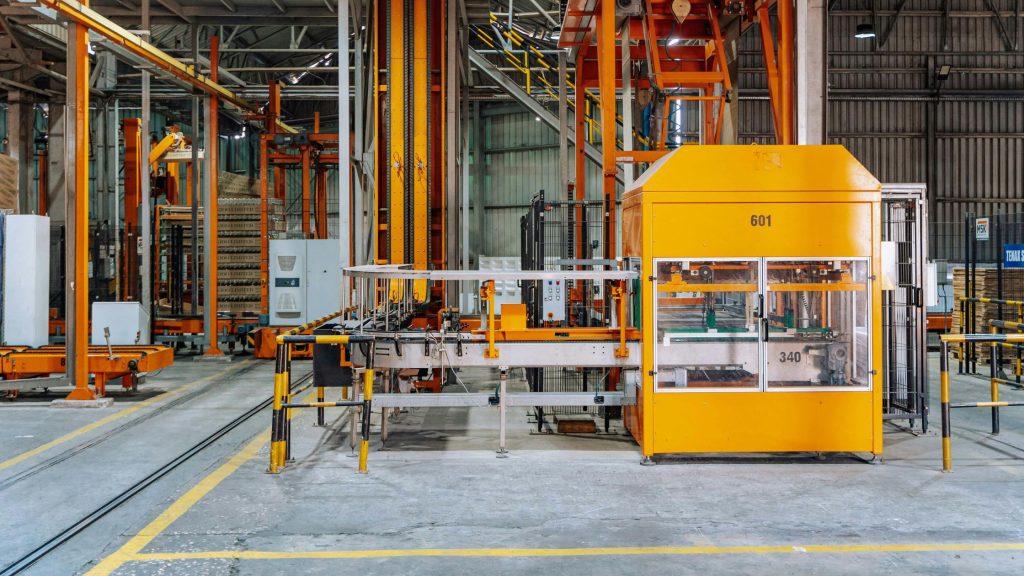
Industrial flooring in Indian factories goes through heavy daily stress. It has to handle forklifts, machinery movement, chemical spills, oil stains, heat, dust, moisture, vibration, cleaning cycles, and continuous production activity.
When the wrong flooring system is selected, or when the surface is not prepared properly, the floor can start failing much earlier than expected. Problems such as cracks, peeling, dusting, bubbling, skid marks, stains, and delamination are not just cosmetic issues. They can affect safety, hygiene, production efficiency, and long-term maintenance costs.
For factory owners, contractors, plant managers, and project teams, industrial flooring should not be treated as a simple finishing layer. It should be planned as a performance system based on the actual working conditions of the plant.
Here are eight common causes of industrial flooring failure in Indian factories and how they can be prevented.
1. Poor Surface Preparation Before Flooring Application
One of the most common reasons industrial floors fail is poor surface preparation. Many coatings are applied over concrete that still has dust, laitance, weak cement layers, oil, grease, old coating residue, or moisture. When the surface is not properly cleaned and prepared, the flooring system cannot bond strongly with the concrete.
This often leads to peeling, flaking, bubbling, or complete delamination within a short time.
Why This Happens
In many projects, surface preparation is rushed to save time. Contractors may clean the floor visually but skip deeper mechanical preparation. However, industrial coatings need a strong surface profile to bond properly. If the concrete surface is weak, smooth, oily, or dusty, the coating will sit on top instead of becoming part of the flooring system.
How to Prevent It
Before applying epoxy, PU, PU concrete, or any other industrial flooring system, the concrete surface should be inspected carefully. Depending on the site condition, it may require grinding, shot blasting, scarifying, degreasing, vacuum cleaning, crack repair, or primer application.
For automobile, engineering, and manufacturing plants, flooring should be specified based on traffic, machinery, load, safety, and surface conditions. Chemsol has covered this in detail in its blog on flooring specifications for automobile and engineering plants.
2. Choosing the Wrong Flooring System
Not every factory floor needs the same type of coating. A light-duty coating may work in a low-traffic commercial area, but it may fail quickly in a manufacturing unit, warehouse, chemical zone, loading bay, or production area.
A common mistake is selecting flooring based only on cost per square foot instead of the actual performance requirement.
Why This Causes Failure
Different industrial zones face different types of stress. For example, a packaging area may need abrasion resistance, while a chemical storage area may need chemical resistance. A food processing area may need a seamless and hygienic surface, while a machine shop may need impact and load resistance.
If one generic flooring system is applied across all factory zones, some areas may start failing much faster than others.
How to Prevent It
The flooring system should be selected after studying:
- Type of industry
- Traffic movement
- Forklift use
- Machinery load
- Chemical exposure
- Cleaning method
- Temperature changes
- Slip resistance requirement
- Hygiene requirement
- Expected downtime
- Existing concrete condition
In many factories, different zones need different flooring solutions. High-traffic areas may need heavy-duty epoxy or PU systems, while chemical zones may need specially designed chemical-resistant flooring.
3. Moisture in the Concrete Substrate
Moisture is another major reason industrial floors fail, especially in Indian conditions where monsoons, groundwater, wet processes, and poor vapour barriers can affect concrete slabs.
A floor may look dry from the top, but moisture can still be present inside the concrete. When a coating is applied over a damp slab, trapped moisture can create pressure below the surface. This can lead to bubbles, blisters, whitening, peeling, or coating failure.
Common Signs of Moisture-Related Failure
- Blisters under the coating
- Peeling near joints or corners
- White powdery deposits
- Damp patches
- Dark areas on concrete
- Coating lifting after the monsoon
- Failure in the same area repeatedly
How to Prevent It
Concrete moisture should be checked before installing industrial flooring. Flooring teams should also look at slab age, vapour movement, drainage, existing dampness, and whether a moisture barrier or primer is needed.
Standards such as ASTM F710 highlight the importance of preparing concrete floors properly before flooring installation, including checking whether the slab is suitable for receiving a flooring system.
Moisture checks are especially important in ground-floor factory slabs, basements, washdown areas, food processing units, wet production zones, and old industrial buildings.
4. Weak Concrete Below the Coating
Even the best industrial coating cannot perform well if the concrete below it is weak. Many flooring failures are actually substrate failures, not coating failures.
If the concrete is dusty, cracked, hollow, contaminated, soft, uneven, or poorly finished, the coating may fail because the base itself is not strong enough to support it.
Why This Matters in Factories
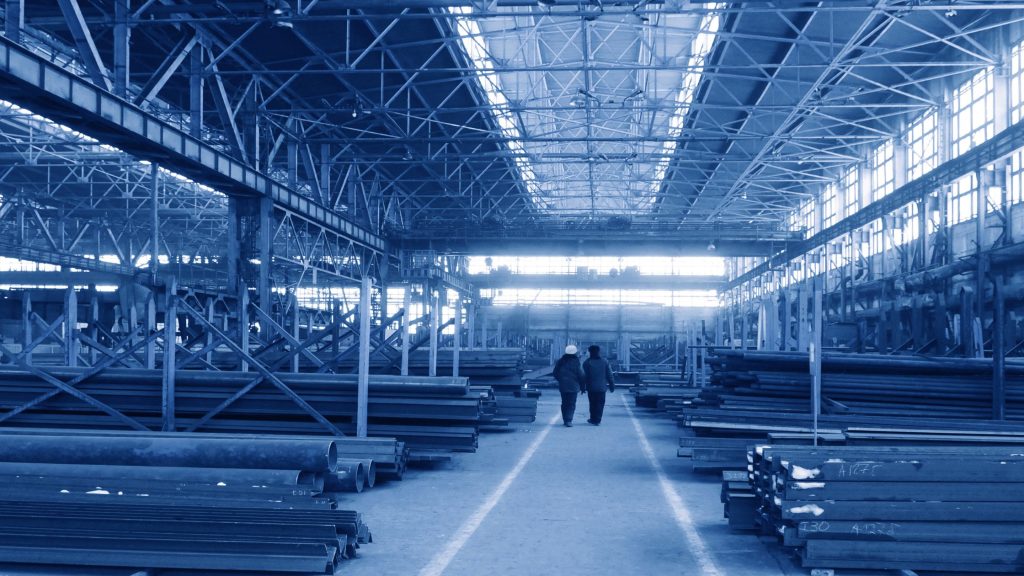
Factory floors are exposed to heavy movement every day. Forklifts, pallet trucks, machine vibration, dropped tools, heavy equipment, and material handling can slowly weaken the floor surface. If the concrete was already weak, these stresses can accelerate failure.
Common signs include surface dusting, cracks, powdering, loose top layers, and worn traffic lanes.
How to Prevent It
The concrete surface should be tested and repaired before applying the final flooring system. In some cases, floor densification may be required to strengthen the surface and improve durability.
Chemsol’s floor densification solutions are designed to make concrete floors harder, denser, more durable, and more resistant to dusting, abrasion, impact, and premature wear.
This is especially useful for warehouses, factories, logistics facilities, manufacturing units, and areas where concrete floors are exposed to continuous movement.
5. Ignoring Load, Impact, and Traffic Conditions
Industrial flooring must be designed for the actual load it will carry. In many factories, floors fail because traffic movement and load intensity are not properly considered during the specification stage.
Forklifts, pallet trucks, loaded racks, machine bases, material trolleys, drums, and production equipment create repeated stress on the floor. If the system is too thin or not designed for such movement, it can wear out quickly.
Common Failure Signs
- Wheel-path wear
- Scratches and gouges
- Tyre marks
- Surface crushing
- Cracks near heavy machinery
- Coating damage in loading areas
- Joint edge breakdown
- Peeling in forklift lanes
How to Prevent It
Before flooring installation, the factory should be divided into different zones based on usage.
Important Zones to Check
- Forklift lanes
- Loading and unloading bays
- Machine areas
- Assembly lines
- Warehouse aisles
- Chemical storage zones
- Battery charging rooms
- Packaging areas
- Pedestrian walkways
- Maintenance sections
Each zone may need a different flooring thickness, finish, coating type, or slip-resistance level. Heavy-duty zones should not be treated the same way as light pedestrian areas.
6. Poor Crack and Joint Treatment
Concrete naturally expands, contracts, shrinks, and moves over time. Industrial slabs also face vibration, impact, and heavy dynamic loads. If cracks and joints are ignored during flooring work, the coating may split, chip, or fail along those lines.
This is a common issue in factories where old floors are recoated without properly studying the existing cracks and joints.
Why Joints Cannot Be Ignored
Joints are planned movement points in concrete slabs. If they are simply coated over, the coating may crack when the slab moves. Similarly, active cracks can continue moving below the coating and eventually reflect through the surface.
How to Prevent It
Before coating work begins, joints and cracks should be mapped. The contractor should check whether cracks are active or static, whether joints are damaged, and whether joint sealant or repair is required.
Crack and Joint Checks
- Are the cracks active?
- Are construction joints damaged?
- Are expansion joints needed?
- Are forklift wheels hitting joint edges?
- Are edges breaking?
- Is there slab movement?
- Should cracks be routed and filled?
- Is flexible joint sealant required?
Good joint treatment helps prevent edge damage, water entry, coating cracks, and repeated repair work.
7. Chemical Exposure Without Chemical-Resistant Flooring
Many factories expose their floors to chemicals even if they are not chemical plants. Oils, coolants, fuels, acids, alkalis, solvents, cleaning agents, disinfectants, and process liquids can slowly damage unsuitable flooring systems.
If the flooring is not selected according to the type and concentration of chemicals used, it may soften, stain, peel, crack, or lose adhesion.
Where This Problem Is Common
Chemical-related flooring failure is common in:
- Chemical plants
- Fertiliser plants
- Pharma facilities
- Food processing units
- Laboratories
- Automobile workshops
- Engineering plants
- Battery rooms
- Cleaning and washdown areas
- Storage and mixing zones
How to Prevent It
Before selecting the flooring system, the plant team should share details of the chemicals used in each area. This includes the chemical name, concentration, spill frequency, exposure time, cleaning method, and temperature.
Chemsol’s chemical-resistant flooring systems are designed for industrial areas exposed to acids, alkalis, solvents, oils, and aggressive substances. These systems help protect the concrete substrate while providing a durable, seamless, and resistant surface for demanding environments.
A normal coating may look good at the time of installation, but it may not survive long-term chemical exposure.
8. Rushed Installation and Improper Curing
Industrial flooring requires controlled installation. Even the right product can fail if it is mixed, applied, or cured incorrectly.
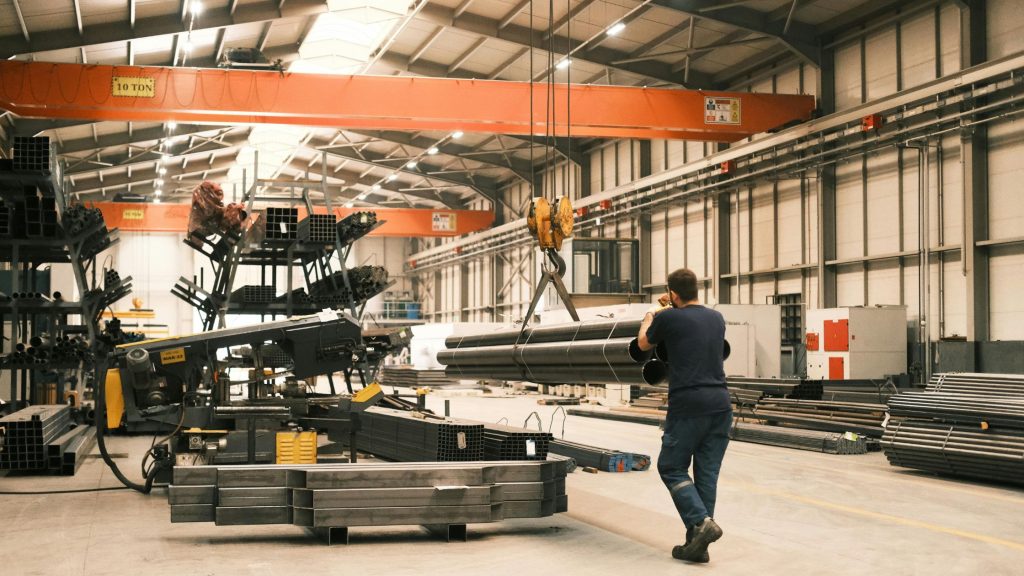
In many factories, flooring work is done during short shutdown periods. Because production needs to restart quickly, the installation may be rushed. If the floor is opened to traffic before it has fully cured, the surface can get damaged early.
Common Installation Mistakes
- Wrong mixing ratio
- Poor primer application
- Low coating thickness
- Skipped coats
- Dust during application
- Wrong recoat timing
- Inadequate curing time
- Early forklift movement
- Poor temperature or humidity control
- No final inspection before handover
How to Prevent It
A proper installation process should include substrate checks, surface preparation, primer application, correct mixing, controlled coating thickness, curing protection, and final inspection.
Factories should also plan realistic downtime. Opening the floor too early may save a few hours initially, but it can create expensive repair problems later.
Why Industrial Flooring Failure Is Expensive
Industrial floor failure is not only a maintenance issue. It can affect daily operations, safety, production quality, and long-term facility performance.
Business Impact of Flooring Failure
- Production downtime
- Repeated repair costs
- Unsafe walking surfaces
- Forklift movement problems
- Dust contamination
- Chemical damage to concrete
- Hygiene issues
- Poor facility appearance
- Audit concerns
- Water seepage
- Lower floor life
- Higher maintenance costs
For areas such as basements, parking decks, ramps, and vehicle movement zones, the flooring requirement is different from production areas. These spaces need skid resistance, abrasion resistance, water protection, and proper surface durability. Chemsol has also explained this in its blog on flooring requirements for car park and deck areas.
How Indian Factories Can Prevent Flooring Failure
The best way to prevent flooring failure is to plan the floor as a complete system, not just a coating application.
Factory Flooring Checklist
Before starting industrial flooring work, check:
- Is the concrete surface strong enough?
- Has moisture been tested?
- Has surface preparation been specified?
- Is the flooring system suitable for the actual traffic?
- Are chemicals being considered?
- Are cracks and joints being treated?
- Is slip resistance required?
- Is the correct thickness specified?
- Is the curing time realistic?
- Are different factory zones getting different systems?
- Is maintenance planning included?
Factories should avoid choosing industrial flooring only by lowest price. A cheaper coating may fail early if it is not suitable for the actual plant conditions.
Conclusion
Industrial flooring failure usually happens because the floor was not properly assessed, specified, prepared, installed, or maintained. In Indian factories, these problems are even more common because floors have to deal with heavy machinery, forklift traffic, chemical exposure, moisture, dust, vibration, monsoon conditions, and tight production schedules.
The right flooring system should be selected only after understanding the real working conditions of the facility. Surface preparation, moisture checks, substrate strength, chemical resistance, load planning, joint treatment, and controlled curing all play an important role in long-term performance.
For factories, warehouses, automobile plants, engineering units, food processing facilities, pharma spaces, and chemical zones, a well-planned industrial flooring system can reduce downtime, improve safety, protect concrete, and extend the life of the facility.
Need Help Choosing the Right Industrial Flooring System?
Chemsol Polymer provides industrial flooring, floor densification, chemical-resistant flooring, waterproofing, and protective coating solutions for demanding industrial and commercial environments.
If your factory floor is showing signs of dusting, peeling, cracking, chemical damage, or early wear, connect with Chemsol Polymer for a site-specific flooring recommendation based on your traffic load, chemical exposure, substrate condition, and performance needs.