
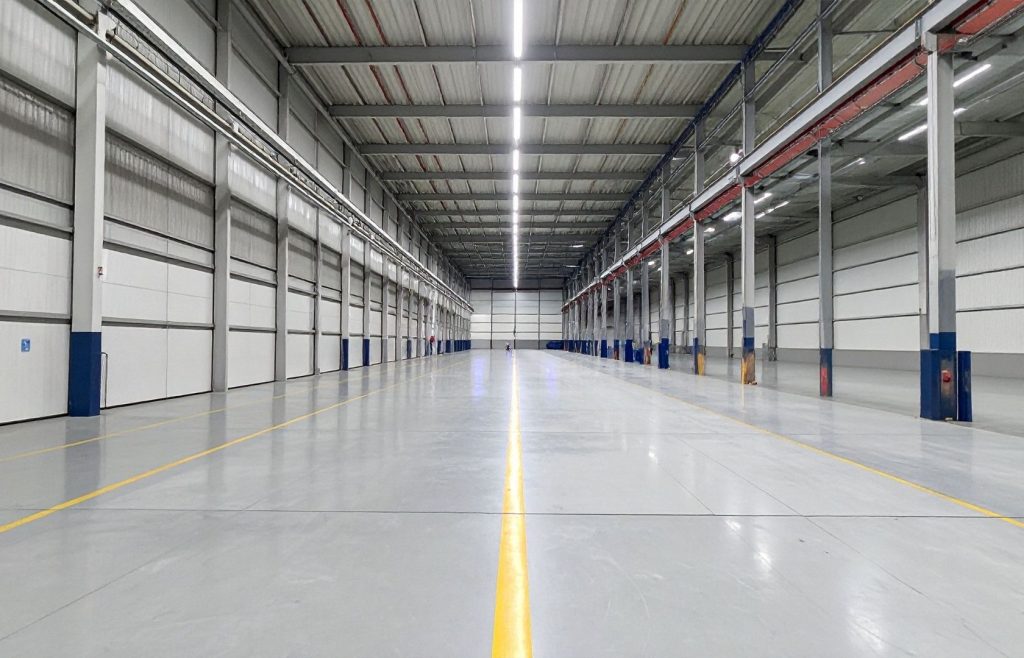
Is your floor truly designed to handle heavy traffic, chemicals, moisture, and long operating hours?
Types of Industrial Flooring play a far bigger role than most facilities realise.
In industrial environments, flooring is not just a surface. It is a working system that supports safety, hygiene, compliance, and operational efficiency.
From manufacturing plants and warehouses to pharmaceutical units and food processing facilities, floors face constant pressure.
Heavy loads, chemical exposure, water ingress, temperature changes, and continuous movement all take a toll.
This is where Chemsol Polymer delivers value.
Chemsol Polymer specialises in high-performance industrial flooring, waterproofing, and coating systems engineered for demanding environments.
Each system is designed using advanced resin technologies to solve real-world industrial challenges.
In this guide, we explain 8 Types of Industrial Flooring Systems, how they work, and where Chemsol Polymer’s flooring solutions are most effective.
Why Understanding Types of Industrial Flooring Matters
Choosing the wrong flooring system leads to early damage, safety risks, and rising maintenance costs.
Understanding the right Types of Industrial Flooring helps facilities:
- Reduce downtime
- Improve safety and hygiene
- Extend floor life
- Maintain regulatory compliance
- Control long-term costs
Chemsol Polymer approaches industrial flooring as a system, not just a coating. Every solution is tailored based on traffic, exposure, environment, and usage.
Why Choosing the Right Types of Industrial Flooring Matters
Not all industrial environments are the same.
Load conditions differ. Chemical exposure varies. Hygiene expectations change. Moisture risks increase or decrease based on location.
Choosing the wrong Types of Industrial Flooring leads to:
- Early surface failure
- Increased accident risk
- Compliance issues
- Higher lifecycle costs
Chemsol Polymer addresses this by offering system-based flooring solutions, not generic surfaces.
Each flooring type is selected based on performance requirements, not just appearance.
Let’s break down 8 types of industrial flooring systems, including Epoxy, PU, ESD, Chemical Resistant Epoxy, and PU Concrete.
8 Types of Industrial Flooring Systems (Epoxy, PU, ESD, Chemical Resistant Epoxy, PU Concrete)
When industries evaluate Types of Industrial Flooring, the focus should always be on performance, durability, safety, and lifecycle value.
Chemsol Polymer addresses these needs through a wide range of resin-based industrial flooring, coating, and waterproofing systems, each designed for specific operating conditions.
Below are the 8 Types of Industrial Flooring systems offered by Chemsol Polymer, supported by its proven product range.
1. Epoxy Industrial Flooring Systems
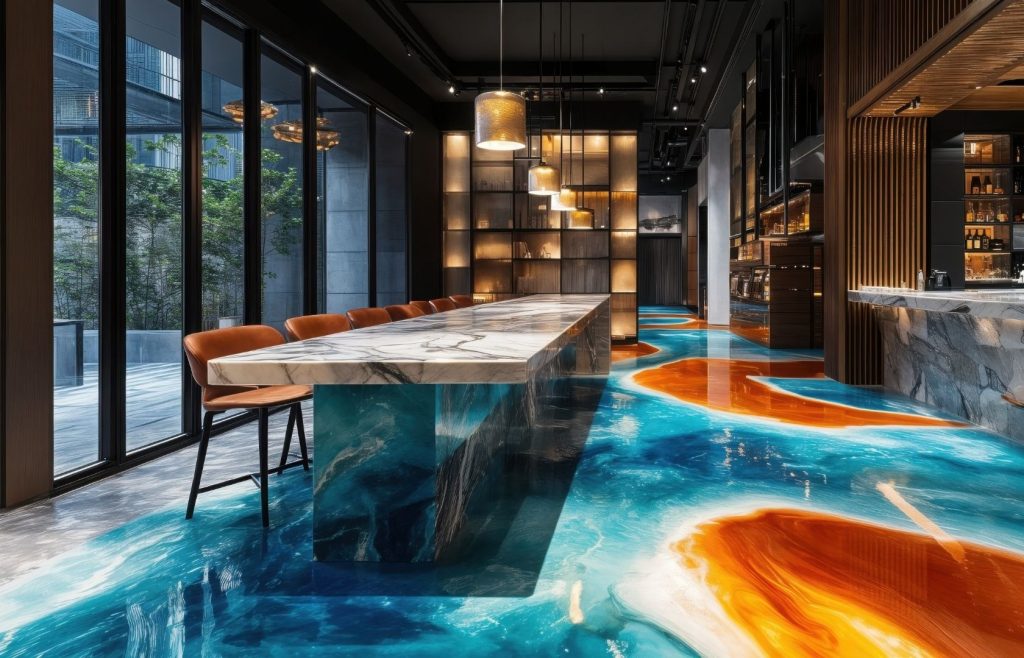
Epoxy flooring is one of the most widely used Types of Industrial Flooring due to its strength, seamless finish, and resistance to wear.
Chemsol Polymer’s epoxy flooring systems are designed for heavy traffic, industrial loads, and long-term durability.
Key Chemsol epoxy products include:
- Chembase 150
- Chemtop 1000
- Chemtop 1000 FG
- Chemtop 1000 FG Wall Coat
- Chemtop 1000 EPU
- Chemdeck 300
- Chemdeck DC
- Chemdie 1000
- Chemgrout EP
- Chemozinc EP
- Chempoxy Coal Tar
These systems are ideal for manufacturing plants, engineering workshops, warehouses, and commercial facilities.
2. ESD Industrial Flooring Systems
Electrostatic discharge control is critical in sensitive industrial environments.
Chemsol Polymer offers ESD flooring systems as a specialized Types of Industrial Flooring for static-sensitive operations.
Key Chemsol ESD products include:
- Aquaprime / Chemoxy ESD
- Chemductive
- Chemstat ESD
- Chemsol Chemcrack Paste
These systems are suitable for electronics manufacturing, laboratories, cleanrooms, and precision production areas.
3. Chemical Resistant Epoxy Flooring Systems
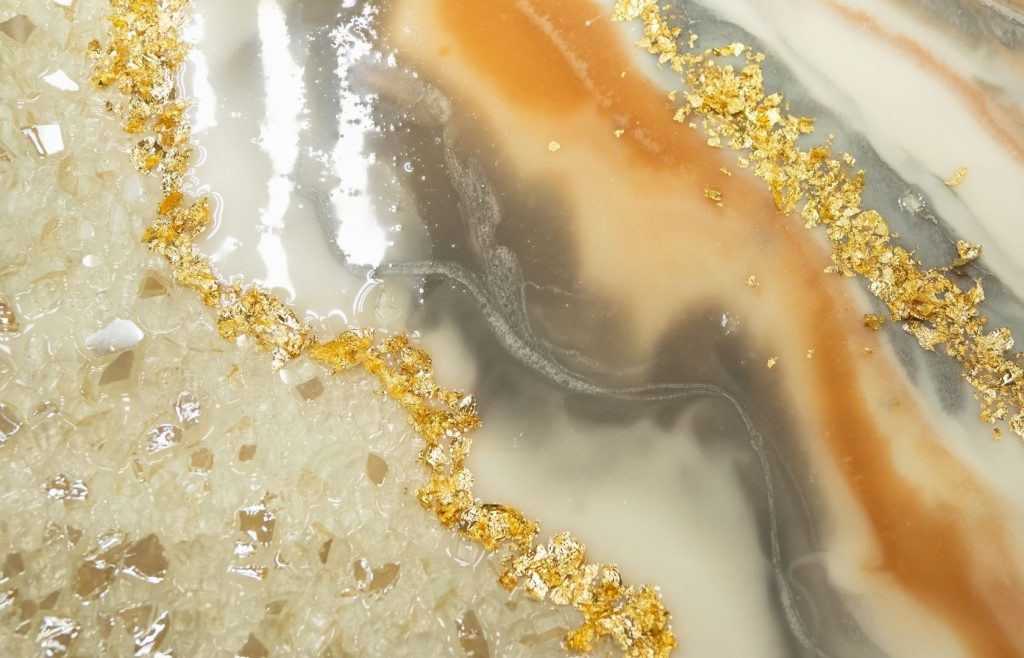
For industries exposed to aggressive chemicals, Chemsol Polymer provides chemical-resistant epoxy flooring systems designed to prevent surface degradation.
Key Chemsol chemical-resistant epoxy products include:
- Chemolac 300
- Chemolac 1000
This Types of Industrial Flooring is widely used in chemical plants, fertilizer units, pharmaceutical facilities, and processing areas.
4. Polyurethane (PU) Flooring and Coating Systems
Polyurethane systems form an important category within the Types of Industrial Flooring offered by Chemsol Polymer.
These PU-based systems are designed for environments that require flexibility, chemical resistance, surface protection, and long-term durability.
Chemsol Polymer’s PU range is commonly used in industrial floors, protective coatings, and specialized surface applications where performance consistency is critical.
Chemsol Polymer PU product range includes:
- Floorchem 300 UV
- Floorchem BC
- Floorchem Primer
- Floorchem UV 1K
- Metal Guard AC
- Chemseal EJ 1K
- Chemseal EJ PU
Where Chemsol PU systems are typically applied:
- Industrial flooring and protective coatings
- Areas exposed to chemicals, oils, and cleaning agents
- Zones requiring UV resistance and surface protection
- Facilities demanding durable, flexible coating systems
This makes Chemsol Polymer’s PU systems a critical part of its industrial flooring and coating portfolio, especially for facilities that require both durability and adaptability.
5. Polyurethane (PU) Industrial Flooring Systems
PU flooring systems are designed for environments where flexibility, impact resistance, and chemical tolerance are required.
Chemsol Polymer’s PU flooring systems include:
- Chemclear PU (G)
- Chemclear UV 1K
- Chemdeck TF
- Chemophatic MG
- Chemothane 1000 SL
- Floorchem 300
- Floorchem LM
These systems perform well in food processing, healthcare facilities, commercial kitchens, and high-movement zones.
6. PU Concrete Industrial Flooring Systems
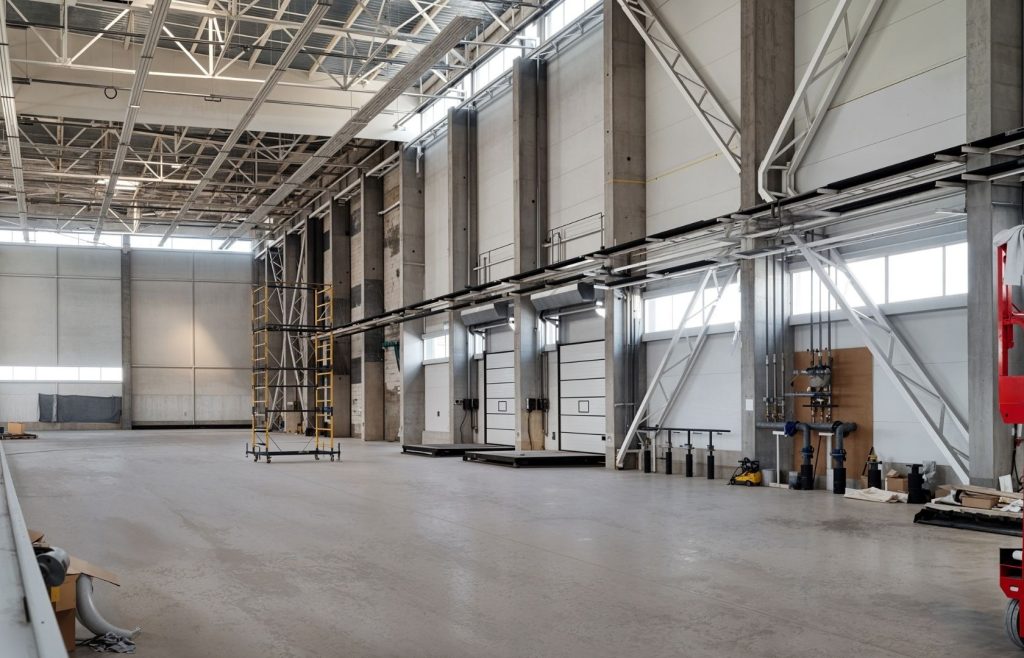
PU concrete flooring represents one of the most heavy-duty Types of Industrial Flooring offered by Chemsol Polymer.
Key PU concrete products include:
- Chembase AR
- Chemcov
- Chemcrete AS
- Chemcrete ESD
- Chemcrete HD
- Chemcrete MD
- Chemcrete MD (G)
- Chemotec EIPN
- Chemscratch
These systems are designed for extreme thermal, chemical, and mechanical stress, making them ideal for food, pharma, and heavy industrial applications.
7. Anti-Skid Industrial Flooring Systems
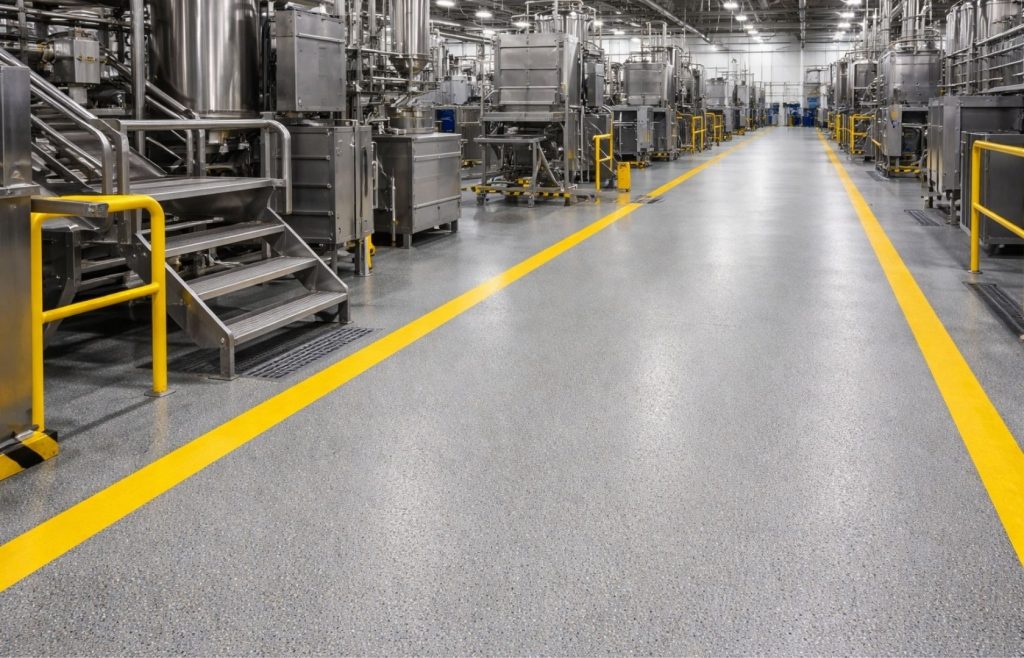
Slip resistance is a critical requirement in high-traffic and wet environments.
Chemsol Polymer integrates anti-skid functionality into multiple flooring systems using textured resin layers and controlled aggregates.
Anti-skid performance is commonly incorporated across:
- Epoxy flooring systems
- PU flooring systems
- PU concrete flooring systems
This Types of Industrial Flooring improves safety in parking decks, ramps, wash areas, industrial plants, and logistics zones.
8. Water-Based Epoxy Flooring Systems
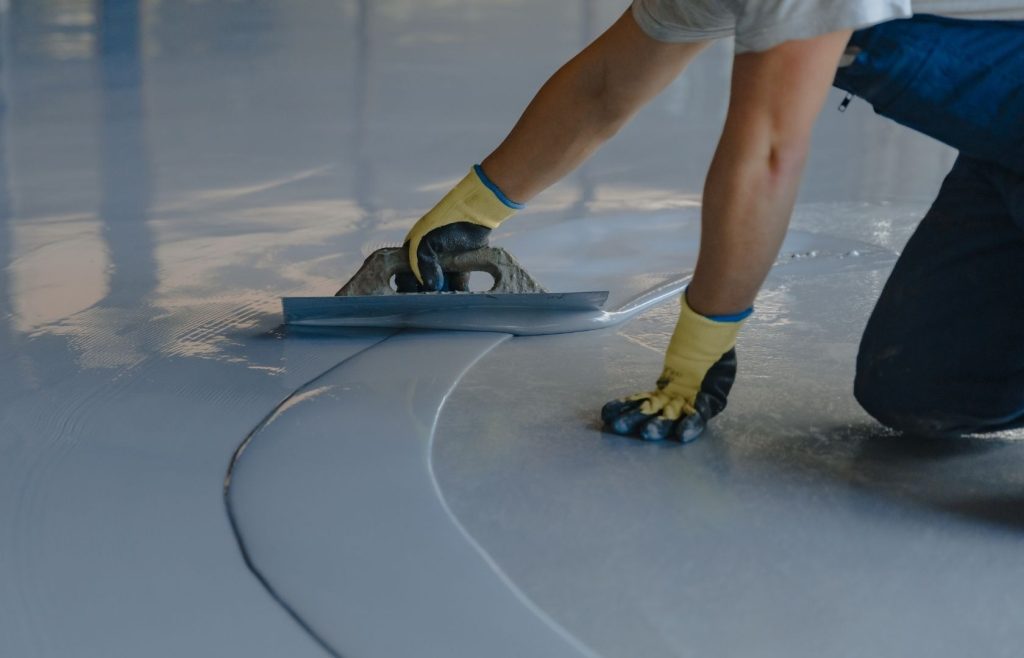
For applications requiring controlled emissions and easier application, Chemsol Polymer provides water-based epoxy flooring systems.
Key products include:
- Chemqua ECS
- Chemqua ECS (MB)
- Chemqua Prime
- Chemqua 1000 SL
- Chemfast SBR
- Chemlay 10K
These systems are suitable for healthcare, commercial, and indoor environments where environmental considerations are important.
How Chemsol Polymer Selects the Right Flooring System
At Chemsol Polymer, flooring systems are selected based on real site conditions and long-term performance requirements.
Every project follows a structured evaluation process to ensure durability, safety, and operational efficiency.
Key factors Chemsol Polymer evaluates include:
- Traffic intensity: Assesses pedestrian movement, forklifts, pallet trucks, and machinery loads to select abrasion- and impact-resistant systems.
- Environmental exposure: Reviews exposure to chemicals, oils, cleaning agents, moisture, and temperature variation to determine the right resin technology.
- Moisture conditions: Checks for washdowns, humidity, and water ingress and integrates waterproofing performance where required.
- Safety requirements: Incorporates anti-skid textures in high-risk or wet zones without compromising cleanability.
- Hygiene and cleanliness needs: Selects seamless, joint-free flooring systems for food, healthcare, and pharmaceutical environments.
- Substrate condition: Evaluates existing surface strength and prepares it correctly to ensure long-term adhesion and coating stability.
- Lifecycle performance: Prioritises systems that reduce maintenance, minimise downtime, and deliver long-term cost efficiency.
By following this system-driven approach, Chemsol Polymer ensures every flooring solution is engineered to perform reliably under real operational demands.
Why Industries Trust Chemsol Polymer?
Industries trust Chemsol Polymer because its flooring and coating solutions are engineered for real operational conditions and long-term performance.
Every system is designed as a complete solution, not as an isolated coating.
Key reasons facilities choose Chemsol Polymer include:
- Engineered resin-based systems: Flooring solutions are developed using advanced resin technologies designed for strength, adhesion, chemical resistance, and wear tolerance in demanding environments.
- Integrated flooring and waterproofing: Waterproofing performance is built directly into flooring systems where required, protecting substrates from moisture ingress and long-term damage.
- Long-term durability: Chemsol Polymer systems are designed to resist abrasion, impact, chemical exposure, and environmental stress, helping floors maintain performance over extended periods.
- Low maintenance performance: Seamless, joint-free surfaces simplify cleaning, reduce maintenance effort, and minimise operational downtime.
- System-based design approach: Every solution includes surface preparation, primers, functional coating layers, and protective finishes that work together for consistent performance.
This structured, performance-driven approach is why industries across manufacturing, healthcare, logistics, food processing, and commercial facilities continue to trust Chemsol Polymer for their flooring and coating needs.
Conclusion: Choosing the Right Types of Industrial Flooring Starts with Chemsol Polymer
Understanding the Types of Industrial Flooring is not just about selecting a surface.
It is about protecting safety, productivity, and long-term investment.
Chemsol Polymer delivers high-performance industrial flooring systems that are engineered for durability, compliance, and real operational demands.
If your facility is planning construction, upgrades, or repairs, choosing the right flooring system today will prevent costly failures tomorrow.
Contact Chemsol Polymer to identify the best industrial flooring solution for your facility and build a foundation that performs for years to come.
FAQs
Q. How do I choose the right types of industrial flooring?
A. Chemsol Polymer evaluates traffic, chemical exposure, moisture, and safety needs before recommending a system.
Q. Can flooring and waterproofing be combined?
A. Yes. Chemsol Polymer integrates waterproofing within industrial flooring systems where required.
Q. Are these flooring systems suitable for heavy industrial use?
A. Yes. All Chemsol Polymer flooring systems are engineered for demanding industrial environments.