
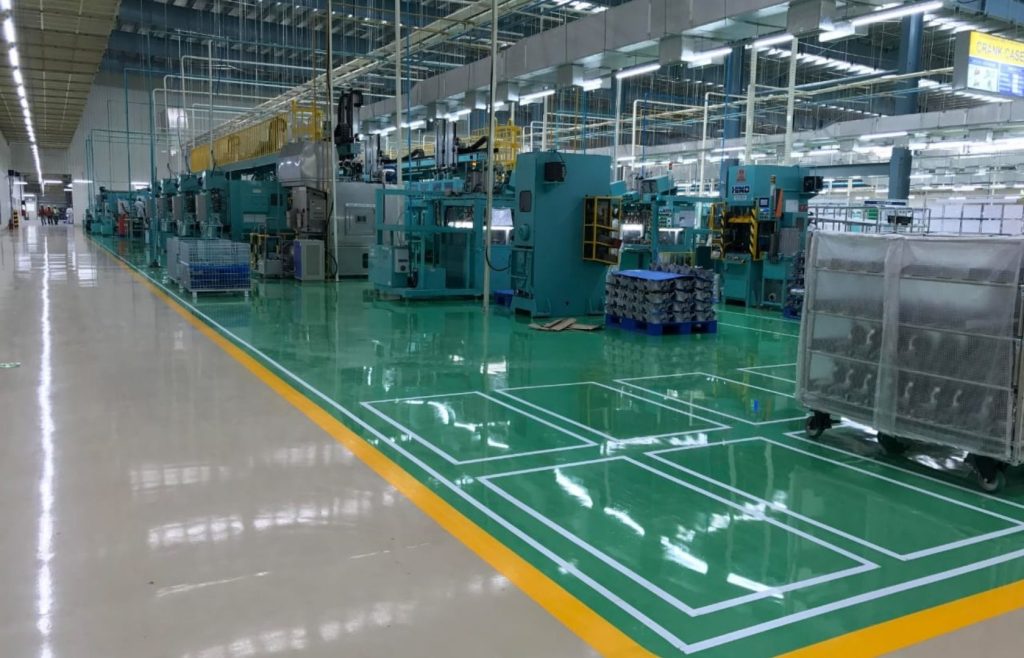
Are you planning to upgrade the flooring in your factory or industrial facility but unsure which contractor to trust?
Will the flooring withstand heavy machinery, forklifts, and constant movement?
Can it resist chemicals, oils, and water exposure for years without failure? And most importantly, how do you choose the right contractor who understands industrial flooring requirements?
Choosing the right industrial flooring partner is a critical decision for any manufacturing unit, warehouse, pharmaceutical facility, or commercial infrastructure project.
Industrial floors are exposed to extreme conditions every day. Heavy equipment, constant foot traffic, chemicals, oils, and temperature changes can all damage poorly installed flooring systems.
This is why selecting an experienced Industrial Flooring Contractor in India is essential.
A professional contractor evaluates your facility, understands the operational requirements, and recommends the best flooring systems designed for durability and long-term performance.
Industries across India are increasingly investing in advanced flooring solutions such as epoxy flooring, polyurethane flooring, anti-skid coatings, waterproofing systems, and chemical-resistant coatings.
However, the effectiveness of these systems depends largely on the contractor responsible for installation.
Before finalizing a contractor, businesses must ask the right questions to ensure that the flooring system will deliver long-term value, safety, and reliability.
This detailed guide explores ten essential questions that industries should ask before selecting an Industrial Flooring Contractor in India.
These questions will help you evaluate expertise, technology, materials, and service quality so that your facility gets the most suitable flooring solution.
Why Industrial Flooring is a Critical Investment
Industrial flooring plays a vital role in maintaining operational efficiency, workplace safety, and structural protection.
Unlike residential flooring, industrial floors must withstand significantly higher levels of stress and exposure.
Manufacturing facilities, logistics warehouses, pharmaceutical units, chemical plants, and commercial infrastructure all require flooring systems that are designed specifically for industrial conditions.
A properly installed industrial flooring system provides several benefits:
- Improved durability and lifespan of the facility floor
- Enhanced resistance to chemicals, oils, and abrasions
- Safer working environment for employees
- Reduced maintenance and repair costs
- Protection against moisture and structural damage
Selecting a reliable Industrial Flooring Contractor in India ensures that the flooring system is customized according to the facility’s operational demands.
Companies like Chemsol Polymer specialize in industrial flooring, protective coatings, and waterproofing systems that are designed for high-performance environments across multiple industries.
10 Questions to Ask Before Choosing an Industrial Flooring Contractor in India
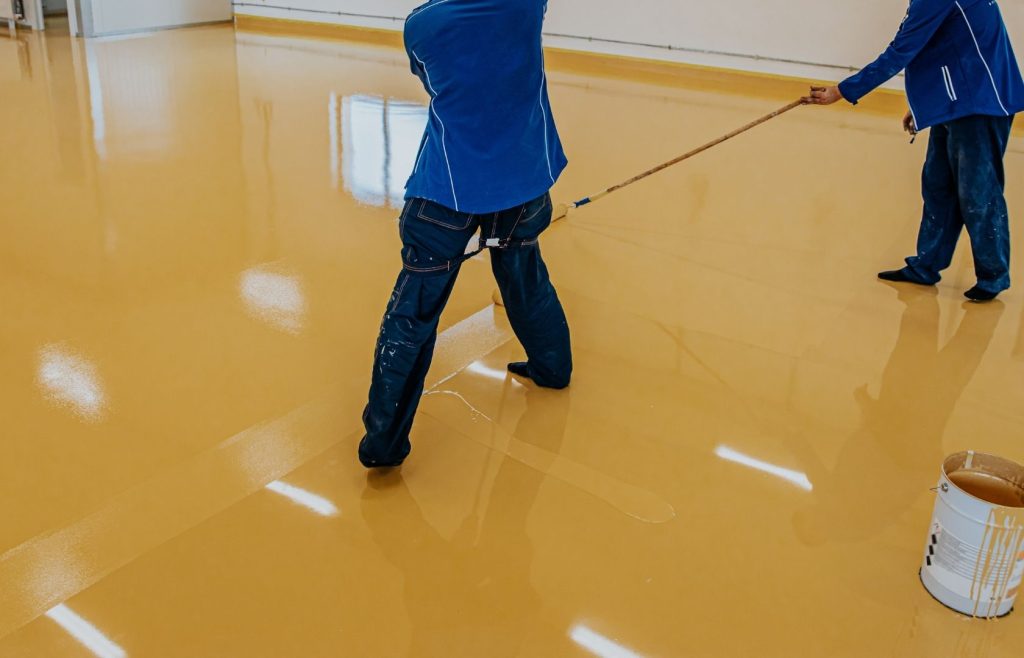
1. What Type of Industrial Flooring Systems Do You Offer?
The first question to ask any Industrial Flooring Contractor in India is about the range of flooring solutions they provide.
Not all contractors specialize in every type of flooring system. Your project may require specific solutions such as:
- Epoxy flooring
- Polyurethane (PU) flooring
- Anti-static flooring
- Anti-skid flooring
- Heavy-duty industrial flooring
- Chemical-resistant flooring
- Waterproofing coatings
A professional Industrial Flooring Contractor in India should evaluate your facility and recommend the most suitable flooring technology.
For example:
- Automobile plants need abrasion-resistant floors.
- Pharmaceutical facilities require seamless hygienic floors.
- Chemical plants need chemical-resistant coatings.
Companies like Chemsol Polymer provide customized flooring solutions designed specifically for different industrial environments.
2. Do You Have Experience in My Industry?
Every industry has different flooring requirements.
A reliable Industrial Flooring Contractor in India should have proven experience across sectors such as:
- Automobile and engineering industries
- Pharmaceutical and healthcare manufacturing
- Food processing plants
- Warehouses and logistics centers
- Chemical and fertilizer industries
- Commercial and residential construction projects
Industrial flooring failures often occur when contractors apply generic solutions instead of industry-specific systems.
When evaluating an Industrial Flooring Contractor in India, ask for:
- Industry-specific case studies
- Previous project photographs
- Client references
Experienced contractors like Chemsol Polymer work across multiple sectors and understand the technical challenges each industry faces.
3. What Flooring Materials and Technology Do You Use?
Industrial flooring technology has evolved significantly.
A modern Industrial Flooring Contractor in India should use advanced materials designed for durability and performance.
Key flooring technologies include:
Epoxy Flooring
Highly durable and resistant to chemicals, oils, and abrasion.
Polyurethane Flooring
Suitable for areas exposed to temperature fluctuations.
Anti-Skid Coatings
Ideal for improving workplace safety.
Waterproof Flooring Systems
Prevent moisture penetration and structural damage.
Before selecting an Industrial Flooring Contractor in India, ask about:
- Flooring system specifications
- Coating thickness
- Material certifications
- Industry standards followed
Leading companies like Chemsol Polymer use high-performance flooring systems designed to withstand harsh industrial environments.
4. Do You Provide Site Inspection and Assessment?
Every industrial facility has unique flooring requirements.
A professional Industrial Flooring Contractor in India should always conduct a site inspection before recommending solutions.
Site assessment helps determine:
- Floor condition
- Moisture levels
- Load requirements
- Chemical exposure risks
- Surface preparation needs
Skipping this step often leads to flooring failures.
A qualified Industrial Flooring Contractor in India will analyze the site and recommend the right system based on actual conditions.
Companies like Chemsol Polymer follow a structured evaluation process before designing flooring systems for industrial facilities.
5. What Surface Preparation Methods Do You Follow?
Surface preparation is the most critical step in industrial flooring installation.
Even the best flooring materials can fail if the surface is not prepared correctly.
A reliable Industrial Flooring Contractor in India should use professional surface preparation techniques such as:
- Mechanical grinding
- Shot blasting
- Vacuum cleaning
- Crack repairs
- Moisture barrier installation
Poor surface preparation leads to:
- Flooring delamination
- Coating peeling
- Uneven surfaces
When discussing with an Industrial Flooring Contractor in India, always ask about their surface preparation process.
Experienced companies like Chemsol Polymer ensure proper substrate preparation to guarantee long-term flooring performance.
6. How Durable Is the Flooring System?
Industrial floors must withstand constant wear and tear.
A qualified Industrial Flooring Contractor in India should provide flooring systems designed for long service life.
Important durability factors include:
- Load-bearing capacity
- Abrasion resistance
- Chemical resistance
- Impact resistance
- Temperature tolerance
Ask the contractor about:
- Expected flooring lifespan
- Maintenance requirements
- Performance guarantees
Professional contractors like Chemsol Polymer design flooring solutions that deliver long-term durability and reduced maintenance costs.
7. Can the Flooring Handle Chemicals and Heavy Machinery?
Many industries operate in environments where floors are exposed to chemicals, oils, acids, or heavy machinery loads.
A trusted Industrial Flooring Contractor in India should recommend systems that can withstand such conditions.
Examples include:
- Chemical-resistant coatings for chemical plants
- Heavy-duty epoxy floors for engineering workshops
- Anti-static flooring for electronics manufacturing
Choosing the wrong flooring system can lead to frequent repairs and operational disruptions.
This is why selecting a specialized Industrial Flooring Contractor in India with industrial expertise is essential.
Companies like Chemsol Polymer offer flooring systems designed for high-performance industrial applications.
8. What Safety Features Does the Flooring Provide?
Workplace safety is a major priority for industries.
A responsible Industrial Flooring Contractor in India should offer flooring solutions that improve safety.
Key safety features include:
- Anti-skid surfaces
- Seamless flooring to prevent bacterial growth
- Fire-resistant coatings
- Anti-static flooring for sensitive environments
Safety-focused flooring reduces accidents and ensures compliance with industrial safety standards.
Experienced providers like Chemsol Polymer incorporate safety-enhancing features into their flooring systems.
9. Do You Provide Waterproofing and Protective Coatings?
Industrial flooring systems often require additional protective coatings and waterproofing layers.
A comprehensive Industrial Flooring Contractor in India should offer services such as:
- Industrial waterproofing solutions
- Protective coating systems
- Corrosion-resistant coatings
- Chemical-resistant surface treatments
Waterproofing plays a critical role in preventing:
- Structural damage
- Moisture infiltration
- Mold growth
Companies like Chemsol Polymer provide integrated solutions combining flooring, waterproofing, and protective coatings.
This approach ensures long-term durability of industrial infrastructure.
10. What Maintenance and After-Sales Support Do You Offer?
Industrial flooring requires periodic inspection and maintenance.
Before choosing an Industrial Flooring Contractor in India, ask about:
- Maintenance services
- Repair options
- Warranty coverage
- Technical support
A reliable contractor should offer post-installation guidance and long-term support.
Companies like Chemsol Polymer focus on delivering durable flooring systems along with professional after-sales assistance.
Why These Questions Matter Before Hiring an Industrial Flooring Contractor
Asking the right questions before selecting an Industrial Flooring Contractor in India is extremely important. Industrial flooring is not a small cosmetic upgrade.
It is a structural and operational investment that directly affects safety, productivity, maintenance costs, and the lifespan of your facility.
When industries fail to evaluate contractors carefully, the results often include cracked flooring, peeling coatings, moisture damage, chemical corrosion, and unsafe working conditions.
These issues can disrupt operations and lead to expensive repairs.
By asking the right questions, businesses can avoid these risks and ensure they choose a contractor who understands industrial environments and delivers reliable flooring systems.
Here are some key reasons why these questions matter.
1. Prevents Costly Flooring Failures
Industrial floors operate under extreme conditions every day. Heavy machinery, forklifts, chemical spills, and temperature changes constantly stress the flooring system.
If the wrong materials are used or the installation process is poor, the flooring may begin to fail within a short period.
Asking questions about materials, preparation methods, and durability helps businesses identify contractors who use proper industrial-grade solutions.
2. Ensures the Right Flooring System for Your Industry
Different industries require different flooring technologies.
For example, pharmaceutical facilities require hygienic and seamless flooring, while automobile plants require heavy-duty abrasion-resistant floors.
These questions help determine whether the contractor understands industry-specific requirements and can recommend the most appropriate flooring solution.
3. Improves Workplace Safety
Industrial flooring plays a major role in workplace safety. Slippery surfaces, uneven flooring, or damaged coatings can cause accidents for employees and equipment operators.
By asking about anti-skid coatings, safety features, and protective systems, businesses can ensure that the flooring contributes to a safer working environment.
4. Protects Infrastructure from Moisture and Chemicals
Industrial facilities often face exposure to water, oils, and chemicals. Without proper coatings or waterproofing systems, these substances can damage the floor structure and lead to long-term deterioration.
Questions related to chemical resistance and waterproofing help identify contractors who provide protective solutions designed for industrial conditions.
5. Reduces Long-Term Maintenance Costs
Many businesses focus only on the initial installation cost when selecting a contractor. However, poor-quality flooring often leads to frequent maintenance and repairs.
Asking detailed questions about durability, lifespan, and after-sales support helps ensure that the flooring system provides long-term value.
6. Helps Identify Experienced Contractors
The ability of a contractor to confidently answer these questions often reveals their level of expertise.
Contractors with real industry experience can explain their processes, materials, and previous projects in detail.
This makes it easier for businesses to select a contractor who has the technical knowledge and experience needed for complex industrial flooring projects.
7. Builds Confidence Before Making the Investment
Industrial flooring projects often involve large facilities and significant investment. Asking these questions gives businesses the clarity needed to make confident decisions.
When contractors provide transparent answers about their materials, processes, and experience, it helps build trust and ensures that the project will meet expectations.
Signs of a Poor Industrial Flooring Contractor
While choosing a contractor, it is equally important to recognize warning signs that may indicate poor service quality.
Some common red flags include:
- No site inspection before providing quotation
- Lack of previous project references
- Unclear material specifications
- Extremely low pricing compared to industry standards
- No warranty or maintenance support
Selecting the wrong contractor can result in flooring failure, safety hazards, and costly repairs.
This is why industries should carefully evaluate contractors before making a decision.
Working with experienced providers like Chemsol Polymer reduces these risks because they follow professional installation practices and use high-quality flooring systems.
In simple terms, these questions act as a checklist that helps industries avoid costly mistakes.
They ensure that the contractor chosen is capable of delivering durable flooring systems that support safe and efficient industrial operations.
Why Choose Chemsol Polymer as Your Industrial Flooring Contractor in India?
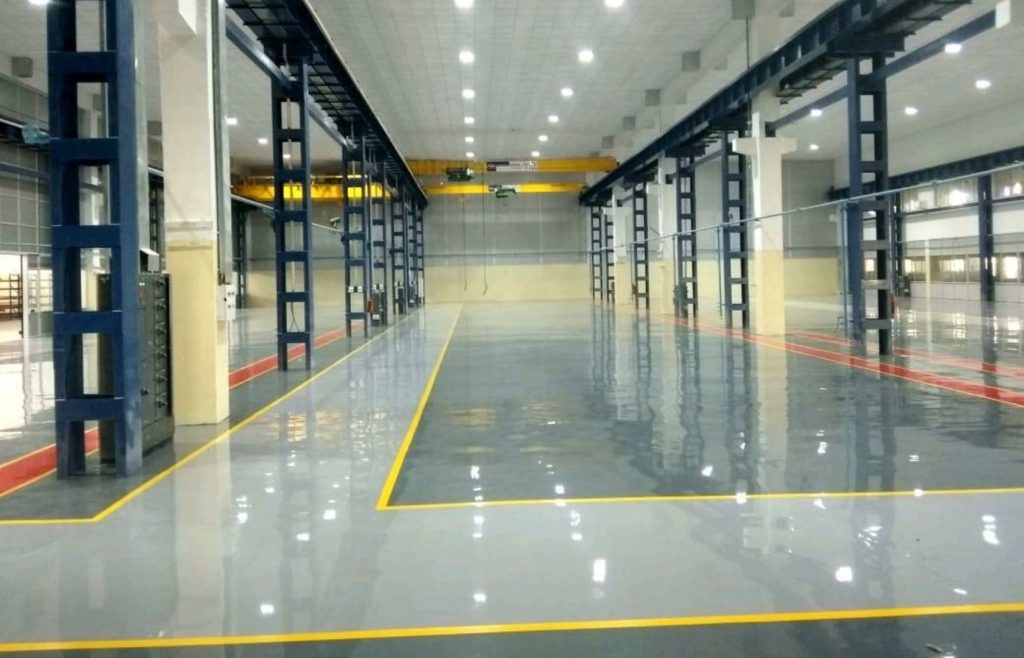
Selecting the right partner for industrial flooring is essential for ensuring durability, safety, and long-term performance.
Chemsol Polymer brings extensive experience in delivering flooring, waterproofing, and protective coating solutions designed for demanding industrial environments.
Their approach focuses on understanding the operational needs of each facility and recommending flooring systems that match the specific conditions of the industry.
Unlike general contractors, Chemsol Polymer works closely with clients to analyze site conditions, load requirements, chemical exposure, and safety needs before proposing the most suitable flooring system.
Here is what makes Chemsol Polymer a reliable choice:
- Industry-specific flooring solutions tailored to operational requirements
- Use of high-quality industrial-grade materials and coatings
- Proper surface preparation and professional installation methods
- Flooring systems designed for heavy machinery, chemicals, and high traffic
- Long-lasting performance with reduced maintenance needs
Chemsol Polymer has developed strong expertise across several industrial sectors, allowing them to handle complex flooring requirements with confidence.
Their experience includes projects in industries such as:
- Automobile and engineering facilities
- Food processing and pharmaceutical manufacturing units
- Chemical and fertilizer plants
- Commercial infrastructure and construction projects
With a focus on durability, performance, and safety, Chemsol Polymer provides flooring systems that support efficient industrial operations.
Choosing the right contractor can protect your infrastructure for years, and partnering with an experienced provider ensures that your flooring investment delivers long-term value.
Conclusion
Choosing the right Industrial Flooring Contractor in India requires careful evaluation and asking the right questions.
Industrial flooring is a long-term investment. The wrong contractor can lead to costly repairs, downtime, and safety risks.
By asking these 10 essential questions, industries can ensure that they select a contractor who understands their operational needs.
Companies like Chemsol Polymer specialize in advanced industrial flooring, waterproofing, and protective coating solutions designed for demanding environments.
If your facility requires reliable flooring systems built for durability and safety, working with an experienced Industrial Flooring Contractor in India can make all the difference.
Looking for a trusted industrial flooring expert? Explore Chemsol Polymer’s advanced flooring and coating solutions designed to support modern industrial infrastructure.
FAQs
Q. What type of industrial flooring is most durable?
A: Epoxy flooring and polyurethane flooring are widely considered durable options for industrial facilities. These flooring systems provide resistance to chemicals, abrasion, heavy loads, and temperature variations.
Q. How long does industrial flooring last?
A: High-quality industrial flooring installed by an experienced Industrial Flooring Contractor in India can last between 10 and 20 years depending on usage conditions and maintenance practices.
Q. Why is waterproofing important for industrial floors?
A: Waterproofing protects industrial infrastructure from moisture infiltration, structural damage, and surface degradation. Many industrial facilities require waterproof coatings to extend the lifespan of flooring systems.