
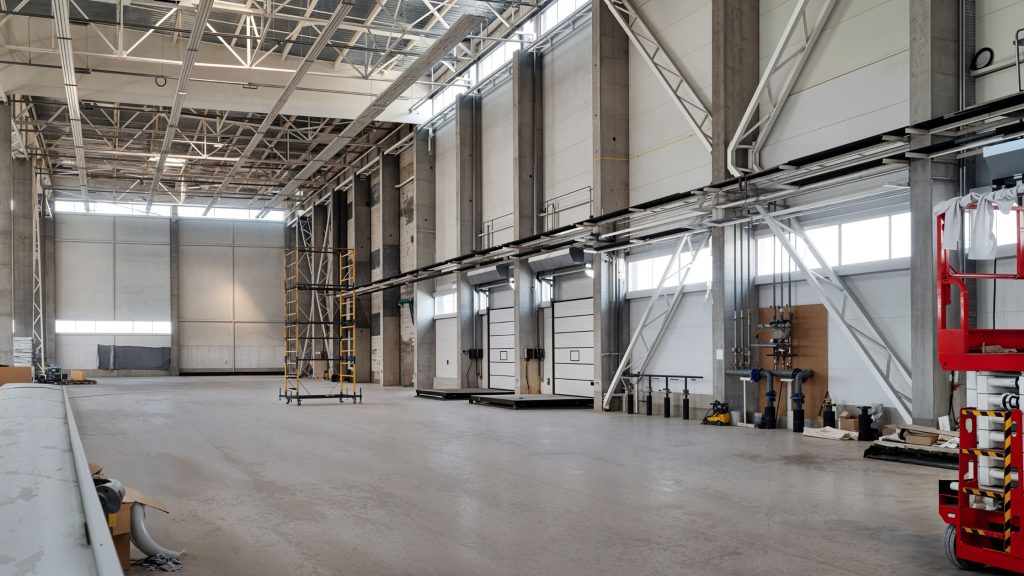
Industrial floor coatings are designed to protect concrete surfaces from heavy traffic, abrasion, chemical spills, moisture, impact and frequent cleaning. When the correct flooring system is selected and installed properly, it can provide years of reliable performance.
However, coating failure rarely happens overnight.
In most cases, a floor begins showing smaller warning signs before peeling, cracking, or complete delamination occurs. These signs are often ignored because production can continue, and the damage initially appears cosmetic. Over time, however, minor defects can expose the concrete substrate, create safety risks, and result in expensive repairs or operational shutdowns.
Facility managers should therefore identify early deterioration before it spreads across larger sections of the floor.
Here are seven warning signs that your industrial floor coating may be failing earlier than expected.
Why Do Industrial Floor Coatings Fail Prematurely?
Industrial floor coating failure can result from several interconnected factors rather than one isolated problem.
Common causes include:
- Inadequate surface preparation
- Excessive moisture within the concrete slab
- Incorrect coating selection
- Improper mixing or application
- Insufficient coating thickness
- Contamination from oil, dust or chemicals
- Incorrect curing conditions
- Traffic or chemical exposure beyond the system’s design limits
Surface preparation is especially important because coatings require a clean, structurally sound and properly profiled substrate to develop reliable adhesion. The Association for Materials Protection and Performance identifies poor surface preparation as one of the leading causes of coating failure.
Chemsol approaches flooring as a complete system that includes substrate assessment, preparation, material selection, application, and quality inspection. Businesses can explore Chemsol’s industrial flooring and surface-protection solutions for different operational environments.
1. Peeling or Flaking Around Floor Edges
Peeling is one of the clearest signs that a coating has lost its bond with the concrete substrate.
It often begins around:
- Doorways
- Floor joints
- Drains
- Machine foundations
- Loading areas
- Wall-to-floor junctions
- Frequently washed sections
The edges of a coating are generally more vulnerable because water, chemicals and mechanical impact can penetrate beneath the flooring system through poorly sealed terminations.
Once the coating begins lifting, forklifts, pallet movement and cleaning equipment can catch the loose edges and rapidly enlarge the damaged area.
Peeling may be caused by contamination remaining on the concrete before application. Oil, grease, dust, curing compounds or weak cement laitance can prevent the primer from bonding properly. It may also indicate that the concrete did not receive the required mechanical profiling.
When peeling appears, simply applying another coat over the damaged section will not solve the underlying adhesion problem. The loose material must be removed, the substrate inspected, and the cause of the bond failure corrected before repairs begin.
A pull-off adhesion test can help evaluate the bond strength between a coating and concrete. ASTM D7234 outlines procedures for measuring the pull-off adhesion strength of coatings applied to concrete substrates.
2. Bubbles or Blisters Under the Coating
Bubbles, raised sections and dome-shaped blisters indicate that pressure or contamination has developed beneath the coating.
One of the most common causes is moisture vapour moving through the concrete slab.
Concrete may appear dry at the surface while still containing moisture internally. When a low-permeability coating is installed without evaluating slab moisture, vapour pressure can accumulate beneath the coating. This pressure may eventually produce blistering, debonding, or visible bubbles.
The problem can be especially common in:
- Ground-level slabs without effective vapour barriers
- Newly constructed concrete floors
- Washdown areas
- Basements
- Food-processing facilities
- Areas exposed to groundwater or recurring leakage
According to ASTM F2170, excessive moisture moving through concrete slabs can contribute to debonding and deterioration of floor coatings and finishes. The standard provides a method for determining relative humidity within concrete using in-situ probes.
Blistering can also result from air trapped during application, incorrect mixing, coating application over a porous surface or exposure to heat before the system has cured.
Before repairing blistered areas, the contractor should test slab moisture, check for active water sources and determine whether the coating system is compatible with the existing conditions.
Where surface correction is required before installing the final coating, an engineered epoxy underlayment system can help improve substrate strength, levelling and adhesion.
3. Cracks Appearing Through the Coating
Small cracks should not automatically be treated as harmless cosmetic defects.
Industrial floor coatings are installed over concrete, and movement within the concrete substrate can transfer through the coating. If cracks, construction joints and expansion joints are not evaluated and treated properly before application, they may reappear through the finished surface.
Cracking can be caused by:
- Concrete shrinkage
- Structural movement
- Thermal expansion and contraction
- Heavy impact
- Incorrect joint treatment
- Weak or damaged concrete
- Coating systems with insufficient flexibility
Cracks around heavy machinery may indicate vibration or repeated loading. Cracks near joints can indicate that the coating was applied continuously over an area designed to move.
Moisture and chemicals can enter through these openings and begin damaging the concrete beneath the coating. In hygiene-sensitive environments, cracks can also collect dirt and process residue, making the floor harder to clean.
The correct repair will depend on whether the crack is stable, active, structural or caused by impact. Filling every crack with the same rigid material may only provide a temporary solution.
Facilities exposed to thermal shock, frequent washdowns or aggressive chemicals may require more resilient systems such as PU concrete flooring, which is designed for demanding food, pharmaceutical, chemical and heavy engineering environments.
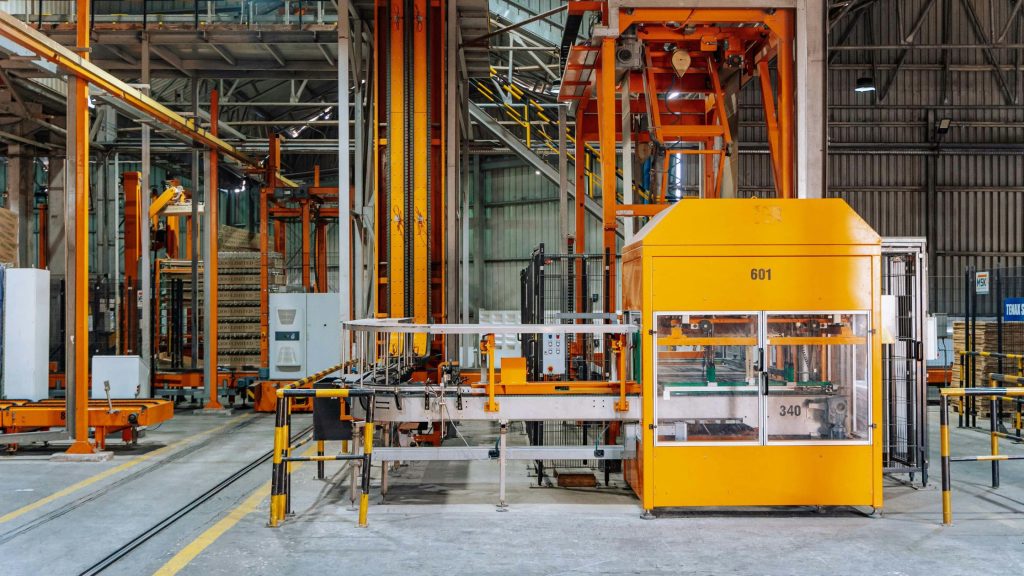
4. Rapid Wear in Forklift Lanes and Turning Areas
All industrial floors experience gradual wear. However, visible deterioration within a short period may indicate that the installed coating does not match the facility’s traffic conditions.
Premature wear usually appears first in:
- Forklift lanes
- Loading and unloading areas
- Turning points
- Production corridors
- Machine operating zones
- Entrances and exits
- Parking ramps
Repeated tyre friction, braking and turning create greater stress than straight-line movement. If the coating thickness, resin type or aggregate system is inadequate, the top layer may wear away and expose the lower coating layers or concrete substrate.
Warning signs include:
- Uneven gloss
- Visible roller or tyre paths
- Surface roughness
- Exposed aggregate
- Faded line markings
- Bare concrete patches
These issues are common where a light-duty coating has been installed in a heavy-duty operating zone.
Different areas of the same facility may require different flooring systems. A pedestrian walkway, forklift route, chemical handling area and loading bay do not experience the same risks. Zone-based specification helps ensure that each area receives the correct thickness, texture and mechanical performance.
For automotive plants, workshops, assembly areas and engineering facilities, Chemsol provides specialised automobile and engineering flooring systems designed around mechanical wear, oil exposure and continuous industrial movement.
5. Changes in Colour, Gloss or Surface Appearance
A change in appearance does not always mean the entire flooring system has failed, but it can indicate that the coating is beginning to deteriorate.
Look for:
- Yellowing
- Fading
- Chalking
- Loss of gloss
- Dark chemical stains
- Uneven colour
- White or cloudy patches
Ultraviolet exposure can affect coatings that are not designed for exterior or sunlit environments. Chemical contact may also alter the coating’s colour or soften the surface.
Discolouration around machinery or chemical storage zones may reveal recurring leakage that has not been addressed. White or cloudy areas may indicate moisture trapped within or beneath the coating.
Some appearance changes are limited to the topcoat and can be corrected through cleaning, surface preparation and recoating. However, colour changes combined with softness, blistering or peeling may indicate a deeper problem.
Facility teams should compare affected areas with low-traffic sections of the same floor. This can help determine whether the change is normal ageing or localised deterioration caused by operational exposure.
6. The Floor Has Become More Slippery
A floor that provided reliable grip when installed may become increasingly slippery as its texture wears down.
This often occurs in:
- Wet production areas
- Food-processing units
- Commercial kitchens
- Car park ramps
- Wash bays
- Chemical plants
- Beverage facilities
- Oil-prone engineering areas
Traffic and frequent cleaning can gradually polish the surface. Aggressive cleaning methods may also wear away the textured finish or leave detergent residue behind.
A loss of traction is not only a flooring-maintenance issue. It can become a workplace safety concern.
The OSHA walking-working surface requirements state that workplace walking surfaces should be maintained free from hazards such as leaks and spills. OSHA also notes that textured or slip-resistant flooring can provide additional traction in work areas exposed to wet, oily or dirty operations.
Facilities should review whether the change is being caused by surface wear, contamination, cleaning chemicals or an unsuitable original finish.
In areas where vehicle movement, slopes and moisture create repeated slip risks, a purpose-designed anti-skid car park and deck flooring system can provide more consistent traction and durability.
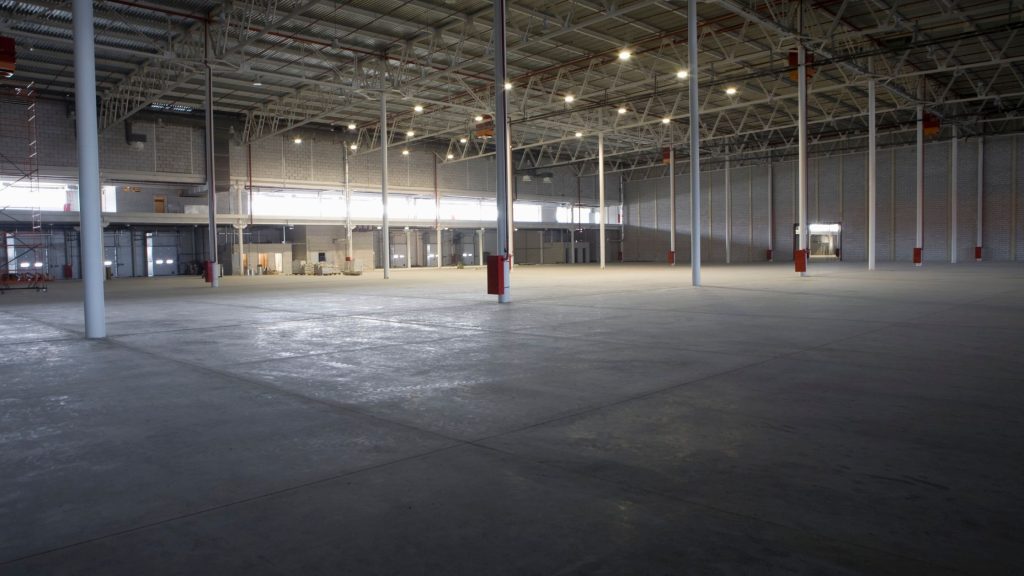
7. Persistent Staining, Dusting, or Soft Areas
A properly selected industrial coating should create a protective barrier between the operating environment and the concrete substrate.
When the floor begins absorbing stains, releasing dust or feeling soft under pressure, the protective system may no longer be performing correctly.
Concrete dust around traffic routes may mean that the coating has worn through completely. Persistent staining may indicate that the surface has become porous or chemically damaged.
Soft, sticky or rubber-like sections may be associated with:
- Incorrect resin-to-hardener ratios
- Incomplete mixing
- Low application temperatures
- Chemical attack
- Insufficient curing time
- Incompatible cleaning agents
- Contaminated materials or substrates
Soft areas should be inspected immediately because they can attract dirt, reduce cleanability and deteriorate rapidly under traffic.
In food, pharmaceutical, and healthcare environments, damaged or porous surfaces can make hygiene management more difficult. Chemsol’s food, pharmaceutical, and healthcare flooring solutions include seamless systems designed around cleanability, chemical resistance, and demanding sanitation conditions.
What Should You Do When These Warning Signs Appear?
The first response should not be to cover the damaged floor with another coating.
A proper investigation should include:
Inspect and Map the Damage
Record where peeling, cracks, bubbles, and wear are appearing. The location of the damage can reveal whether the issue is related to moisture, traffic, chemicals, joints, or application quality.
Test the Concrete Substrate
Moisture, surface strength, contamination, and adhesion should be evaluated before selecting a repair system. Testing helps distinguish between a local coating defect and a larger substrate problem.
Review the Operating Conditions
Confirm which chemicals, temperatures, cleaning methods, loads, and traffic patterns affect the floor. The existing system may have been selected for conditions that no longer match current operations.
Determine Whether Repair or Replacement Is Required
Localised damage may be repaired when the surrounding coating remains strongly bonded. Widespread blistering, peeling or moisture-related failure may require complete removal and replacement.
Correct the Cause Before Recoating
A successful repair must address the original failure mechanism. This may involve moisture mitigation, crack treatment, improved drainage, mechanical surface preparation or selection of a more suitable coating system.
Conclusion: Early Detection Can Prevent Complete Flooring Failure
Peeling, blistering, cracking, rapid wear, discolouration, reduced slip resistance, and persistent dusting are all signs that an industrial floor coating may be deteriorating prematurely.
Ignoring these warning signs allows moisture, chemicals, and mechanical damage to reach the concrete substrate. What begins as a small coating defect can eventually become a larger operational, hygiene or workplace safety problem.
Regular inspection helps facility teams identify deterioration while repairs are still manageable. More importantly, determining why the failure occurred helps prevent the same problem from returning.
Chemsol Polymer delivers end-to-end flooring solutions that combine site assessment, system selection, scientific surface preparation, controlled installation and post-project support. To assess a damaged industrial floor or select a system suited to your operating conditions, contact the Chemsol Polymer team.